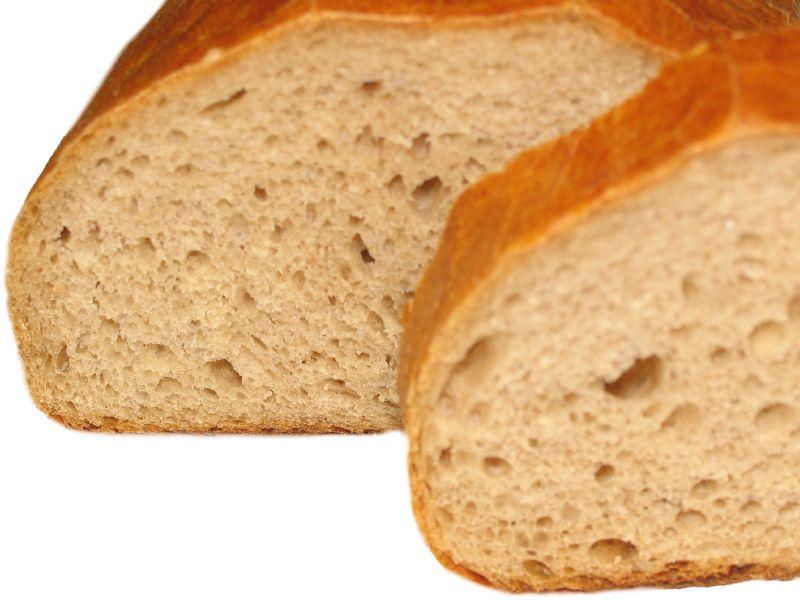
Sourdough Starter for Bread: The Heart of the Bakery
Sourdough starter, a living culture made up of billions of tiny yeasts and lactic acid bacteria, is the most important element in baking homemade bread. It is what gives bread its characteristic flavor, aroma, and texture. Making and maintaining a starter is an art that takes patience, attention, and a little experimentation. Let us explore the world of sourdough starters and uncover their secrets.
Starter maturation—the path to perfection
Starter maturation is the process in which yeasts and bacteria multiply and produce acids, alcohols, and other substances that affect the flavor and texture of bread. The maturation time varies depending on the flour, temperature, and other factors. In general, the longer a starter matures, the more complex the flavor and aroma of the bread become.
Lactic vs. alcoholic fermentation
Two main processes take place during fermentation: lactic acid fermentation and alcoholic fermentation. Lactic acid fermentation is carried out by lactic acid bacteria, which produce lactic acid that gives bread a sour flavor. Alcoholic fermentation is carried out by yeasts, which convert sugars into alcohol and carbon dioxide. The carbon dioxide makes the dough rise and gives bread an airy texture. An ideal starter is the result of these two processes working together in harmony.
Rye flour—the foundation of every good starter
Rye flour is the most commonly used flour for making a starter. It contains plenty of naturally occurring yeasts and enzymes that support fermentation. Rye flours come in many varieties, with different milling grades and bran content. Whole-grain rye flour is the best choice for beginners.
The middle ground—finding balance
When maintaining a starter, it is important to find the right balance. A starter that is underfed will be weak and will not have enough leavening power for the dough. On the other hand, an overfed starter can become too sour and give the bread an unpleasant flavor.
The “grunt,” or starter base—the key to success
The foundation of every good starter is the so-called “grunt,” or starter base. It is a portion of an established starter that is added to a fresh batch of flour and water. The base contains live cultures of yeasts and bacteria that keep the fermentation going.
The right temperature—the key to success
Temperature is one of the most important factors affecting the activity of yeasts and bacteria. The optimal fermentation temperature is between 25 and 30 °C. At a lower temperature, fermentation proceeds more slowly; at a higher temperature, the starter may overheat and die.
Ideal consistency—how to recognize a good starter
Starter consistency is another important factor. A starter that is too thin will be weak, while one that is too thick will be difficult to work with. The ideal consistency should be similar to that of sour cream.
The right starter ratio—the basis for successful baking
The proportion of starter in the dough has a major effect on the bread's flavor and texture. In general, the more starter you use, the sourer and airier the bread will be.
Maturation time—patience pays off
The time a starter needs to mature varies from one starter to another and depends on many factors. Some starters are ready to use after just a few days, while others need several weeks to mature. Patience is essential when maintaining a starter.
Want to learn more about bread fermentation? Visit vyrobak.cz, where you will find lots of useful information and recipes.
Conclusion
Maintaining a starter is a fascinating process that requires patience and attention. If you decide to make your own starter, be prepared for an adventure full of discoveries. Every starter is unique and may behave differently. Do not be afraid to experiment and find your own way of maintaining it.