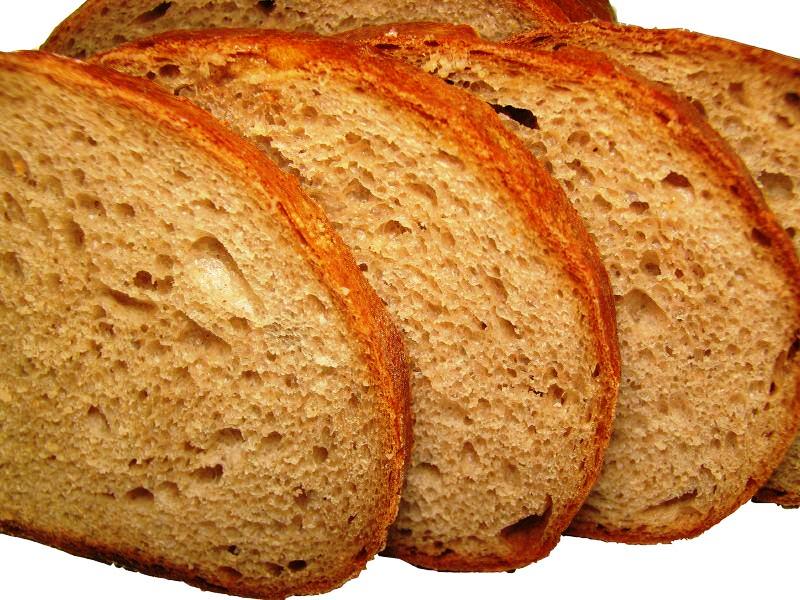
Bread Shelf Life: A Comprehensive Look at the Factors That Affect Freshness
Bread shelf life is a complex subject affected by many factors, from the ingredients you choose to the way you store the loaf. Every loaf is unique, and its shelf life can vary considerably. Let us explore bread freshness and discover all the things that affect it.
Key factors that affect bread shelf life
Flour quality: Flour is one of the building blocks of bread. Its type, coarseness, and gluten content have a significant effect on the finished loaf's texture and its ability to resist staling. Bread flour with a higher gluten content creates a stronger structure that resists drying out and hardening for longer.
Type of yeast: Yeasts are living organisms that produce carbon dioxide and alcohol as the dough rises. Different types of yeast affect bread's flavor, aroma, and shelf life in different ways. Natural yeasts often result in bread with a longer shelf life because of the more complex fermentation processes involved.
Water-to-flour ratio: Water is essential to the dough, and the amount used has a significant effect on its consistency and the final texture of the bread. A high hydration ratio (the proportion of water to flour) produces a more open, moist crumb, which may be more prone to drying out.
Add-ins: Seeds, nuts, dried fruit, spices, and other ingredients are often added to dough. They can affect bread's shelf life in different ways. Seeds, for example, can absorb moisture and shorten the loaf's shelf life.
Baking method: Baking temperature and time have a major effect on the bread's final texture and shelf life. Excessively high heat can form the crust quickly, which may prevent moisture from escaping from the crumb.
Storage: Proper storage is key to keeping bread fresh. A bread box or linen bag is ideal for short-term storage. A freezer is suitable for keeping bread for longer.
How to extend bread's shelf life
Choose quality ingredients: Use flour with a high gluten content, natural yeast, and fresh ingredients.
Use the right hydration ratio: Follow the recommended water-to-flour ratio for the recipe.
Bake at the right temperature: Bake the bread at the optimal temperature for the right amount of time.
Store it properly: Keep bread in a bread box or linen bag at room temperature.
Freeze it for later: If you know you will not use the bread right away, freeze it.
For more information about baking bread and choosing ingredients, visit vyrobak.cz.