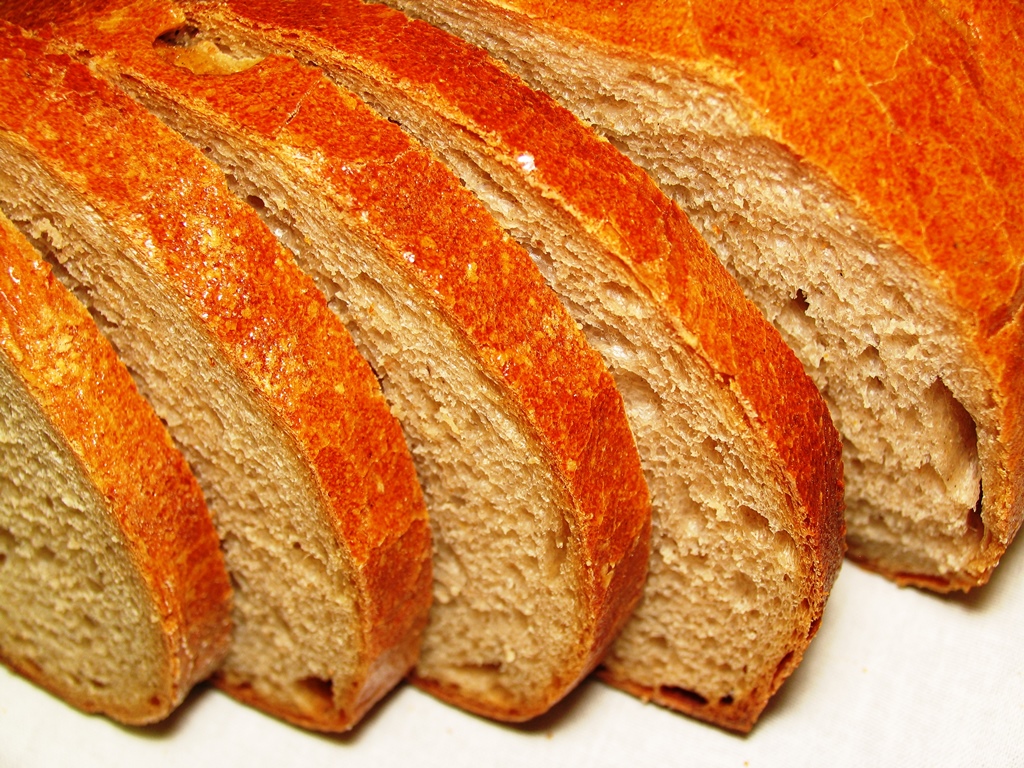
Bread Crust: The Often-Overlooked Guardian of Aroma and Flavor
Bread crust—the golden, crisp outer layer that protects the soft crumb from drying out and losing its aroma—is often an overlooked part of our everyday food. Yet it is the crust that gives bread its character and distinctive flavor.
What can a crust be like?
Firm and protective: A good crust is firm, resilient, and effectively protects the inside of the loaf from external influences. It helps bread stay fresh and moist for longer.
Shiny and inviting: Glossy crusts are not only pleasing to the eye, but also signal a well-executed bake. They are delicate and break off easily.
Cracked and distinctive: Some types of bread have a crust broken into smaller sections, giving the loaf a rustic appearance and a more pronounced flavor.
Smooth and even: By contrast, a smooth, even crust is typical of certain specialty breads, such as baguettes.
Crisp and irresistible: A crisp crust is one of the most important qualities that gives bread its irresistible flavor and texture.
Why is the crust important?
Besides protecting bread from drying out, the crust serves several other important functions:
Improves flavor: The crust gives bread a more pronounced flavor and aroma.
Extends shelf life: The crust helps bread stay fresh for longer.
Improves digestibility: A crisp crust stimulates the digestive system.
How can you achieve the perfect crust?
If you want to bake bread at home with a perfect crust, try one of the recipes on vyrobak.cz. You will find detailed instructions for preparing the dough and achieving a crisp, golden crust.
Conclusion
Bread crust is much more than just an outer layer. It is an important part of the loaf that affects its flavor, texture, and shelf life. If you are looking for truly good bread, pay attention to the crust. Visit vyrobak.cz to learn all about bread and how it is made.