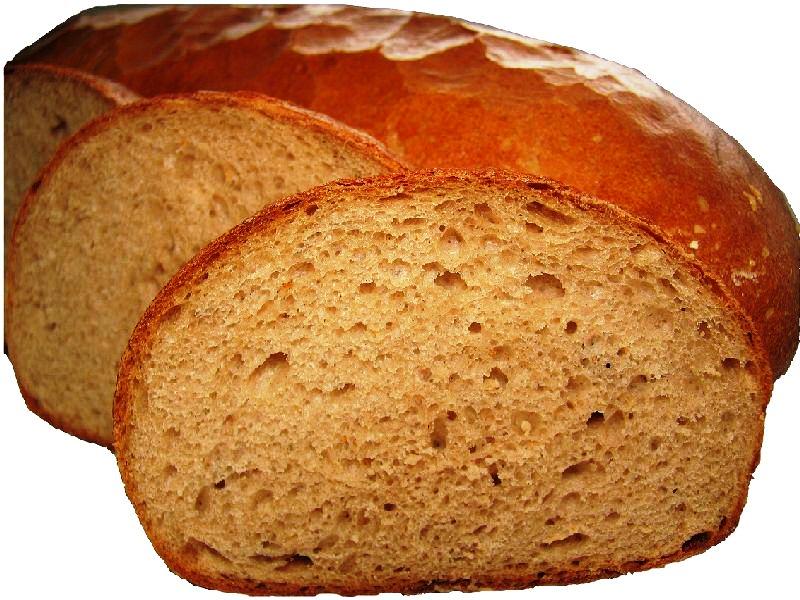
The Crumb: The Key to a Perfect Loaf
The crumb is the soul of a loaf. It determines whether your homemade bread will be moist and tasty or dry and crumbly. Achieving a perfect crumb takes careful ingredient selection and an understanding of a few key principles. In this article, we take a detailed look at the elements that affect crumb and offer advice on how to get the best results.
Flour—the foundation of every crumb
Flour is the most important ingredient in bread. Your choice affects not only the bread's flavor and color but also the texture of its crumb.
Wheat flour: The most commonly used flour for baking bread. It contains gluten, which gives the dough elasticity and allows a network of strands to form, creating the crumb's characteristic texture.
Rye flour: Gives bread a pronounced flavor and dark color. It increases the dough's acidity, which has a positive effect on the bread's flavor and shelf life.
Whole-grain flours: These contain all parts of the grain—bran, endosperm, and germ—and give bread more fiber, vitamins, and minerals.
Flour blends: Combining different types of flour lets you create a wide range of flavors and textures.
Tip: Visit vyrobak.cz for a detailed overview of different types of flour and how to use them in baking.
Water—a solvent and activator
Water is essential for hydrating flour and activating yeast. The amount of water affects the dough's consistency and the final texture of the crumb.
Water temperature: Warm water activates yeast more quickly, while cold water slows the rising process and allows flavor to develop.
Water quality: Clean water without a strong taste or odor is best for baking bread.
Starter—the driving force behind bread
A starter is a living culture that converts sugars in the dough into carbon dioxide and alcohol. The carbon dioxide bubbles make the dough rise and create the crumb's characteristic texture.
Baker's yeast: The most commonly used leavening agent. It makes the dough rise quickly and allows for a short proofing time.
Sourdough starters: Naturally fermented mixtures of flour and water. They give bread a more pronounced flavor and a longer shelf life.
Yeast blends: Combining baker's yeast and sourdough starter can provide an ideal balance of flavor and texture.
Salt—a regulator and flavor balancer
Salt affects the flavor of bread, strengthens the dough, and extends its shelf life.
Amount of salt: Too little salt makes the dough too soft and the flavor unbalanced. Too much salt slows fermentation and spoils the bread's flavor.
Other ingredients
In addition to the basic ingredients, you can add other ingredients to the dough to enrich its flavor and texture.
Seeds: Flax, sesame, sunflower, and pumpkin seeds add crunch and nutritional value to bread.
Nuts: Walnuts, almonds, and hazelnuts give bread a rich flavor and increase its energy content.
Spices: Caraway, coriander, turmeric, and rosemary give bread an interesting aroma.
How to achieve a perfect crumb
The right ingredient ratios: Use the precise amounts of each ingredient specified in the recipe.
Mix the dough thoroughly: The dough must be well developed so that a network of gluten strands forms.
Optimal proofing temperature: The ambient temperature affects how quickly the dough rises. If it is too high, the dough may rise too quickly and the crumb will be coarse.
The right baking temperature: Bake the bread at the optimal temperature so the crumb has time to develop properly.
Tip: Visit vyrobak.cz for plenty of homemade bread recipes with detailed instructions.
Conclusion
A loaf's crumb is the result of careful work and knowledge of the basic principles of baking. Try different combinations of ingredients and gradually hone your baking skills. With a little patience and practice, you too can bake perfect homemade bread that the whole family will enjoy.