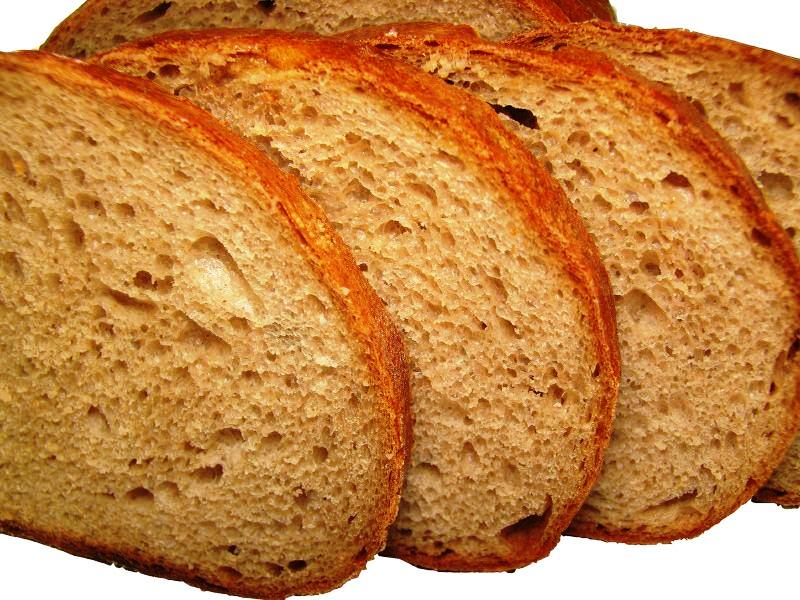
Bread Baking: An Art with No Limits
Baking bread is an alchemy that combines simple ingredients with endless possibilities for the finished product. From a crisp crust to a moist crumb, from a delicate aroma to an intense flavor—every loaf is unique. And a carefully chosen baking method is the key that opens the door to perfection.
Temperature—the key to success
Oven temperature is one of the most important factors affecting the bread's final appearance and flavor. In general, a higher temperature produces a crisper crust, while a lower temperature allows the flavor to develop better and creates a moister crumb. The optimal temperature varies for different types of bread. For example, breads with a high whole-grain content do better at a lower temperature and with a longer baking time, giving the flour enough time to develop fully.
Time—patience brings perfection
Baking time is another important factor. If the bread is not baked long enough, its center will be undercooked; if it is baked too long, it may dry out. Baking time depends on the loaf's size, the type of flour, the amount of water, and, of course, the chosen temperature. You will find an approximate baking time in each recipe, but it is always a good idea to keep an eye on your bread and adjust the time as needed.
Steaming—the path to a crisp crust
Steaming is a technique used to achieve a shiny, crisp crust. Steam can be introduced into the oven in several ways, for example with a spray bottle, a container of hot water, or a special bread-baking stone. Steam is used at the start of baking, when the oven is at its hottest. It creates a thin crust on the surface of the bread, preventing it from drying out too much and allowing the flavor to develop better.
Crust color—dark brown is not always a bad thing
The depth of the crust's color is another indicator of how well the bread has baked. A dark brown crust points to a higher temperature and a longer baking time, while a lighter crust is typical of bread baked at a lower temperature. Of course, the ideal color is subjective and depends on your preferences.
Oven type—each has its advantages
You can bake bread in several types of oven: a home oven, a wood-fired oven, or a dedicated bread oven. Each type has its own characteristics and calls for a different approach. A home oven is the most commonly used tool for baking bread at home. If you want an authentic bread-baking experience, try a wood-fired oven. Dedicated bread ovens have features that make it easier to achieve excellent results.
Preparing the loaf for baking—every loaf needs its space
How you place the loaf before baking affects its final shape and texture. You can put it in a baking tin lined with parchment paper, on a baking sheet lined with parchment paper, or directly on a preheated baking stone. Baking on a preheated stone is a good way to get a crisper crust.
The steps and sequence of baking—every detail counts
Baking bread involves several steps. First, prepare the dough and leave it to rise. Then shape the loaf and let it rise a second time. Before baking, dust the loaf lightly with flour and place it in a preheated oven. During baking, you can brush the loaf with water to create a glossy crust. Once baked, leave the bread to cool on a wire rack.
Conclusion
Baking bread is an art that takes patience and precision. Every loaf is unique, and its flavor and appearance are affected by many factors. Experiment with different types of flour, add-ins, and baking methods to discover your own perfect bread recipes.
For more information and inspiration, visit vyrobak.cz.
Keywords: bread baking, temperature, time, steaming, crust color, oven type, preparing the loaf, individual steps, baking sequence, vyrobak.cz